Engine Major
Engine rebuild or replacement, cylinder head, head gasket, turbocharger or supercharger, timing chain or belt.
Menu
Suggested Searches
Recent Searches
Suggested Searches
Product Ratings
Resources
Chat With AskCR
Resources
All Products A-ZThe payment for your account couldn't be processed or you've canceled your account with us.
Re-activateMy account
Sign In
My account
Sign In

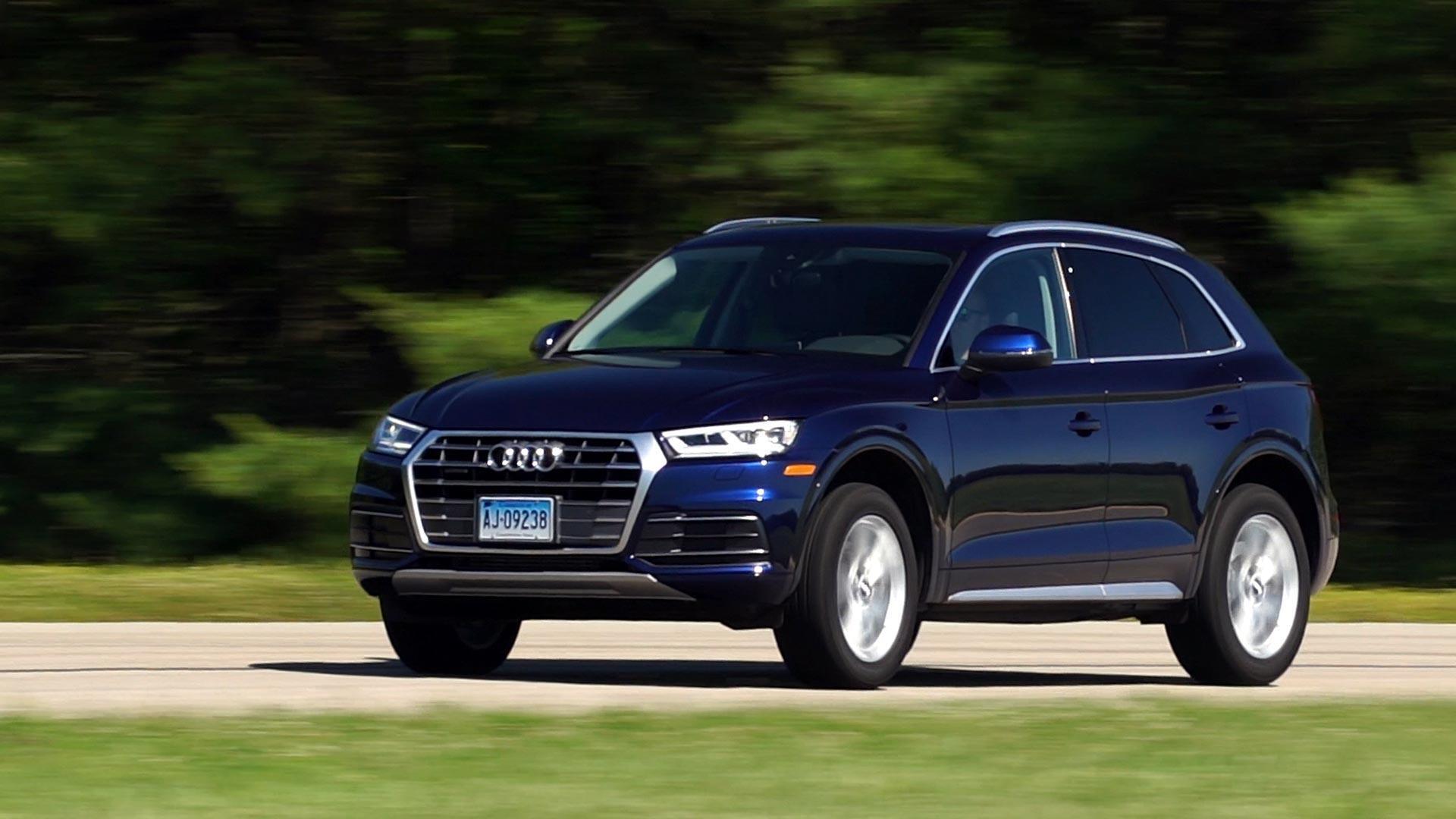





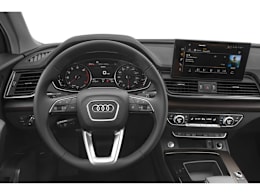
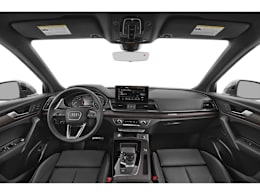
We expect the 2026 Q5 will be less reliable than the average new car. This prediction is based on data from the 2025 model and Audi's brand score.
The Reliability score is based on our latest subscriber survey of 2025 Audi Q5 owners. The owner comments describe problems respondents experienced with this vehicle.
Engine rebuild or replacement, cylinder head, head gasket, turbocharger or supercharger, timing chain or belt.
Infotainment system (audio, GPS, phone), rear entertainment system, backup or other camera/sensors, head-up display.
Cruise control, clock, warning lights, body control module, keyless entry, wiper motor or washer, tire pressure monitor, interior or exterior lights, horn, gauges, 12V power plug, USB ports, alarm or security system, remote engine start, heated or cooled seats, heated steering wheel, headlights, automatic headlights, automatic wipers, wireless charging pad.
Driveshaft or axle, CV joint, differential, transfer case, four-wheel-drive/all-wheel-drive components, driveline vibration, electrical failure, traction control, electronic stability control.
Premature pad/rotor wear, pulsation or vibration, antilock system, parking brake, master cylinder, calipers, squeaking, brake failure, regenerative braking.
Shocks or struts, ball joints, tie rods, wheel bearings, alignment, steering linkage (includes rack and pinion), power steering (pumps and hoses, leaks), wheel balance, springs or torsion bars, bushings, electronic or air suspension.
AC compressor, blower (fan) motor, condenser, evaporator, heater system, automatic climate system, electrical failure, refrigerant leakage.
Alternator, starter, hybrid battery replacement, hybrid battery related systems, regular battery, battery cables, engine harness, coil, ignition switch, electronic ignition, spark plugs and wires failure, auto stop/start.
Transmission rebuild or replacement, torque converter, premature clutch replacement.
Muffler, pipes, catalytic converter, exhaust manifold, heat shields, leaks.
Gear selector and linkage, transmission computer, transmission sensor or solenoid, clutch adjustment, rough shifting, slipping transmission, leaks.
Squeaks, rattles, wind noises, seals and/or weather stripping, air and water leaks.
Windows, locks and latches, doors or sliding doors, tailgate, trunk or hatch, mirrors, seat controls (power or manual), seat belts, sunroof, convertible top, glass defect.
Accessory belts and pulleys, engine computer, engine mounts, engine knock or ping, fuel leaks, oil leaks.
Paint (fading, chalking, peeling, or cracking), loose interior or exterior trim or moldings, rust.
Radiator, cooling fan, water pump, thermostat, antifreeze leaks, overheating.
Sensors (O₂, or oxygen, sensor), emission-control devices (includes EGR), fuel-injection system, fuel gauge/sender, fuel pump, problems filling up the tank.
Audi Q5
Audi Q5
Acura RDX
Acura RDX
BMW X3
BMW X3
Cadillac XT5
Cadillac XT5
Genesis GV70
Genesis GV70
Lexus NX
Lexus NX
Lexus NX Hybrid
Lexus NX Hybrid
Lexus NX Plug-in ...
Lexus NX Plug-in Hybrid
Lincoln Corsair
Lincoln Corsair
Mercedes-Benz GLC
Mercedes-Benz GLC
Porsche Macan
Porsche Macan
Volvo XC60
Volvo XC60
Volvo XC60 Plug-i...
Volvo XC60 Plug-in Hybrid
Reactivate now to get the information you were looking for!
You will get digital access to reviews and ratings for over 8,500 products and services to help you make better choices for life’s big moments and the everyday ones in between.
If you feel you have received this message in error, please view our customer care FAQs or access your account information here.