Your membership has expired

The payment for your account couldn't be processed or you've canceled your account with us.

Re-activate

Save products you love, products you own and much more!

Save products icon

Other Membership Benefits:

Savings icon Exclusive Deals for Members Best time to buy icon Best Time to Buy Products Recall tracker icon Recall & Safety Alerts TV screen optimizer icon TV Screen Optimizer and more
    GREEN CHOICE

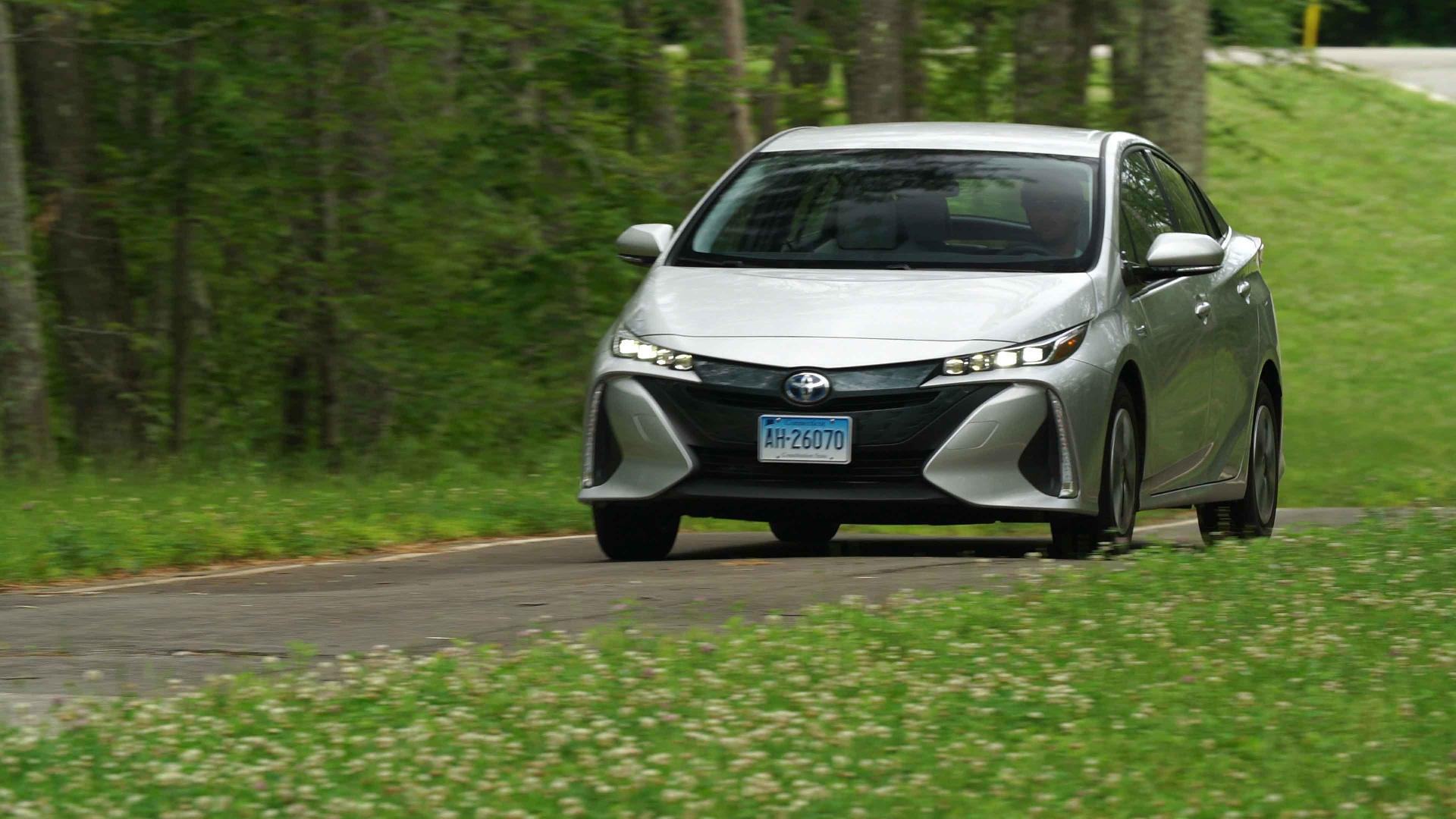
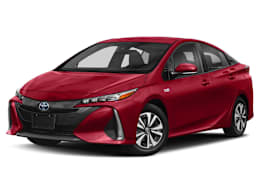
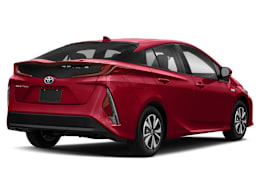
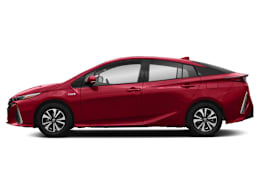
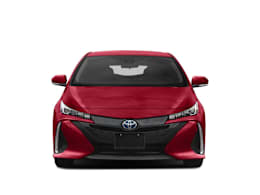
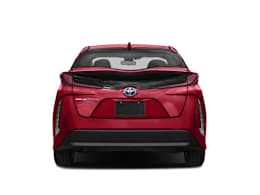
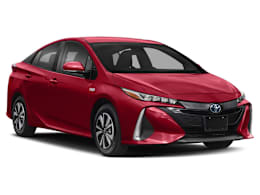
    Toyota Prius Prime

    EPA Range: 25 miles
    EPA MPG: 54 mpg

    Reliability

    Overall Reliability

    The 2018 Prius Prime is more reliable than other cars from the same model year.

    Most Common Trouble Spots
    Common Trouble Spot
    Common Trouble Spot

    Owner Reported Trouble Spots

    The Reliability score is based on our latest subscriber survey of 2018 Toyota Prius Prime owners. The owner comments describe problems respondents experienced with this vehicle.

    Brakes

    Premature pad/rotor wear, pulsation or vibration, antilock system, parking brake, master cylinder, calipers, squeaking, brake failure, regenerative braking.

    What Owners Say

    Calipers

    "Front calipers became sticky and needed to be freed."

    Anonymous A., MA (2018 Toyota Prius Prime Advanced 1.8-L 4 Cyl plug-in hybrid)
    Premature brake wear

    "The brake discs or pads needed replacing after only about 35000 miles"

    Anonymous, ME (2018 Toyota Prius Prime Advanced 1.8-L 4 Cyl plug-in hybrid)

    "Breaks started making dragging noises and were replaced"

    Anonymous, WI (2018 Toyota Prius Prime Unsure 1.8-L 4 Cyl plug-in hybrid)

    "Inboard rotor surface corrosion. Rough surface accellerated the wear the brake pads"

    Anonymous A., ON (2018 Toyota Prius Prime Plus 1.8-L 4 Cyl plug-in hybrid)

    ""I had the brakes replaced when I bought it, used, 18 months ago. I had to replace them again 1 month ago.""

    Anonymous, NC (2018 Toyota Prius Prime Unsure 1.8-L 4 Cyl plug-in hybrid)
    Rotors

    "Rotors were replaced when the breaks were replaced."

    Anonymous, WI (2018 Toyota Prius Prime Unsure 1.8-L 4 Cyl plug-in hybrid)

    "Disc brake splash shield retains moisture / snow / ice from winter weather. Resulting in accellerated corrosion."

    Anonymous A., ON (2018 Toyota Prius Prime Plus 1.8-L 4 Cyl plug-in hybrid)

    Climate System

    AC compressor, blower (fan) motor, condenser, evaporator, heater system, automatic climate system, electrical failure, refrigerant leakage.

    What Owners Say

    Other climate system problem

    ""A/C blowing warm air. Sudden failure. Took to dealer immediately. One week to repair. $2,800 to replace two damper servos behind dashboard.""

    Anonymous A., LA (2018 Toyota Prius Prime Advanced 1.8-L 4 Cyl plug-in hybrid)
    Refrigerant leaks

    "our air conditioner quit working and it was determined that we had coolant leaking from the system"

    Anonymous A., (2018 Toyota Prius Prime Plus 1.8-L 4 Cyl plug-in hybrid)

    "Slow leak in hoses. Replaced hoses."

    Anonymous A., AZ (2018 Toyota Prius Prime Advanced 1.8-L 4 Cyl plug-in hybrid)

    Exhaust

    Muffler, pipes, catalytic converter, exhaust manifold, heat shields, leaks.

    What Owners Say

    Other/unsure

    ""My wife and I are both tall, and as we have gotten older, its too low. Otherwise its a great car.""

    Anonymous A., IN (2018 Toyota Prius Prime Unsure 1.8-L 4 Cyl plug-in hybrid)

    ""12 volt battery fails without warning, disabling car.""

    Anonymous, CA (2018 Toyota Prius Prime Plus 1.8-L 4 Cyl plug-in hybrid)

    EV Battery

    Electric/hybrid battery pack failure, replacement or malfunction, or cooling.

    What Owners Say

    Electric/hybrid battery pack replacement

    "Please see above regarding rodent damage to wiring harness requiring total $6500 replacement at 20 months; rodent urine destruction of lithium ion traction battery resulting in insurance declaring total loss at 5 years; despite never having kept food in car, not charging at night after wiring harness replacement, dealer installing wire mesh protection, trapping of rodents, etc. my understanding is that this is not particularly a Prius problem I previously had in same location 2010 Prius (not plug-in) for 8 years, had some rodent nesting but no damage during the 8 years. Auto repair technicians tell me that rodent damage can occur on all makes and models, seems to be related to being near woods and other locations amenable to rodent habitat in the absence of active predators (my location near wooded area). However there are some general indications from online searching that plug-in vehicles may be more vulnerable to rodent damage due to warmth generated and maintained by vehicle traction batteries in winter climate areas. Please consider CR taking an advocacy role in promoting consumers having information about vehicles--and particularly plug-in vehicles--that are more and less prone to rodent damage based on insurance industry claims (mine covered under comprehensive part of auto insurance). Auto industry must have data regarding rodent damage claims across insurers/climate/geographic locations/manufactures & models etc; however my very alert insurance agent of many years reported when I asked that there is no industry information of this type available that might guide auto purchasers and/or insurance agents toward vehicles more and less prone to rodent damage/insurance claims. Similarly during hours of online research and telephone inquiries I could find no reliable information of this type--could not get past Toyota research facility security desk to request information about whether Prius hybrid non-plug-in NiMH AWD model batteries any less of wintertime-warmth rodent nesting magnet then lithium ion batteries that are currently default on all other Prius non-AWD hybrid vehicles. My insurance agent indicated that a third rodent damage claim might be a problem regarding maintaining comprehensive insurance, so despite having anticipated moving from plug-in hybrid to EV I decided that I needed instead to take step backwards--not have a plug-in vehicle of any kind in this location, reverted back to non-plug-in 2022 used Prius AWD."

    Anonymous, MA (2018 Toyota Prius Prime Premium 1.8-L 4 Cyl plug-in hybrid)

    Paint/Trim

    Paint (fading, chalking, peeling, or cracking), loose interior or exterior trim or moldings, rust.

    What Owners Say

    Paint (fading, chalking, cracking, or peeling)

    ""the trim pieces, wrapped in "black plastic paint" are peeling""

    Anonymous A., IN (2018 Toyota Prius Prime Premium 1.8-L 4 Cyl plug-in hybrid)

    Noises/Leaks

    Squeaks, rattles, wind noises, seals and/or weather stripping, air and water leaks.

    Electrical Accessories

    Cruise control, clock, warning lights, body control module, keyless entry, wiper motor or washer, tire pressure monitor, interior or exterior lights, horn, gauges, 12V power plug, USB ports, alarm or security system, remote engine start, heated or cooled seats, heated steering wheel, headlights, automatic headlights, automatic wipers, wireless charging pad.

    Drive System

    Driveshaft or axle, CV joint, differential, transfer case, four-wheel-drive/all-wheel-drive components, driveline vibration, electrical failure, traction control, electronic stability control.

    In-car Electronics

    Infotainment system (audio, GPS, phone), rear entertainment system, backup or other camera/sensors, head-up display.

    Suspension/Steering

    Shocks or struts, ball joints, tie rods, wheel bearings, alignment, steering linkage (includes rack and pinion), power steering (pumps and hoses, leaks), wheel balance, springs or torsion bars, bushings, electronic or air suspension.

    Transmission Major

    Transmission rebuild or replacement, torque converter, premature clutch replacement.

    Engine Electrical

    Alternator, starter, hybrid battery replacement, hybrid battery related systems, regular battery, battery cables, engine harness, coil, ignition switch, electronic ignition, spark plugs and wires failure, auto stop/start.

    Engine Major

    Engine rebuild or replacement, cylinder head, head gasket, turbocharger or supercharger, timing chain or belt.

    Transmission Minor

    Gear selector and linkage, transmission computer, transmission sensor or solenoid, clutch adjustment, rough shifting, slipping transmission, leaks.

    Engine Minor

    Accessory belts and pulleys, engine computer, engine mounts, engine knock or ping, fuel leaks, oil leaks.

    Engine Cooling

    Radiator, cooling fan, water pump, thermostat, antifreeze leaks, overheating.

    EV Charging

    Won't charge at home; won't work with some public chargers; won't fully charge; charge connection; charge port door.

    Body Hardware

    Windows, locks and latches, doors or sliding doors, tailgate, trunk or hatch, mirrors, seat controls (power or manual), seat belts, sunroof, convertible top, glass defect.

    Fuel System/Emissions

    Sensors (O₂, or oxygen, sensor), emission-control devices (includes EGR), fuel-injection system, fuel gauge/sender, fuel pump, problems filling up the tank.

    2018 Sedans & Hatchbacks Reliability

    This Car
    vs. Similar Cars

    Toyota vs. Other New Car Brands Reliability

    Reliability History
    * Redesign year
    00
    01
    02
    03
    04
    05
    06
    07
    08
    09
    10
    11
    12
    13
    14
    15
    16
    17*
    18
    19
    20
    21
    22
    23*
    24
    25
    Overall Reliability Verdict

    POTENTIAL TROUBLE SPOTS
    Powertrain
    Electric Motor
    EV Battery
    EV Charging
    Engine Major
    Engine Minor
    Engine Cooling
    Engine Electrical
    Transmission Major
    Transmission Minor
    Drive System
    Fuel System/Emissions
    Exhaust
    Suspension/Steering
    Brakes
    Climate System
    Build Quality
    Electrical Accessories
    Body Hardware
    Paint/Trim
    Noises/Leaks
    In-car Electronics
    Reliability indicates how models have performed in the past, providing the basis for predicting how the vehicles will hold up in the year ahead. These charts provide the most comprehensive reliability information available to consumers. Based on information received from our latest subscriber survey for about 380,000 vehicles, our reliability history charts give you a rundown on how 2000 through 2025 vehicles are holding up in 20 potential trouble spots, ranging from the engine, transmission, electric motor, EV charging, and brakes, to power equipment and the electrical accessories.
    Change Vehicle